














EVs might cut your fuel bill substantially, but will they actually save you money in the long run?
The answer changes depending on what fuel-powered car you compare against an EV, what kind of driving you do, and whether you have access to an EV charging point at home.
To illustrate the difference, let's put some numbers on the board to understand what we're looking at.
- EV vs non-EV running costs comparison
- Electric vs petrol vs diesel – which fuel type is cheapest?
- Are electric cars more expensive to buy?
- Are electric cars cheaper to insure?
- Do you have to pay road tax on electric cars?
- Are electric cars cheaper to maintain?
- What is electric car depreciation like?
EV vs non-EV running costs comparison

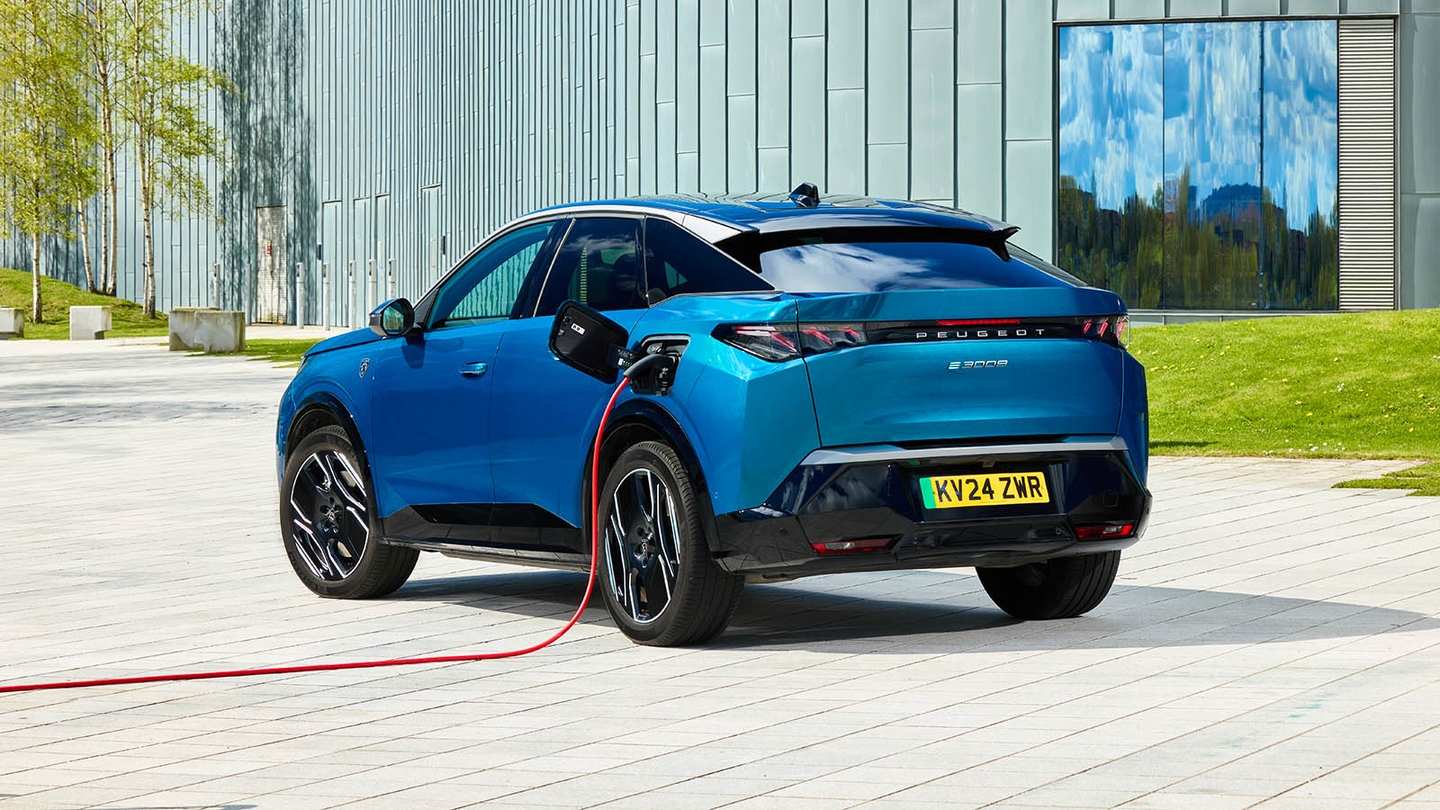
We’ve pitted an electric Peugeot 3008 against a petrol Peugeot 3008. These are virtually identical family SUVs with a similar age and mileage, with the main difference being what powers them.
| Model(1) | Peugeot 3008 GT 157kW 73kWh | Peugeot 3008 GT 1.2 Hybrid 136 |
| Engine type | Electric | Petrol |
| Annual PCP finance costs | £3,900.00 | £4,392.00 |
| Annual fuel cost(2) | £440.59 (24.67p/kWh) | £1,052.96 (£1.52/litre) |
| Annual insurance cost(3) | £644.36 (group 33e) | £531.40 (group 24e) |
| Annual road tax(4) | £195 | £195 |
| Annual servicing cost(5) | £112.83 | £282.33 |
| Annual depreciation(6) | £2,921.00 | £2,954.00 |
| Total annual cost to run(7) | £8,213.78 | £9,407.69 |
| Annual running cost saving | £1,193.91 | - |
1. Comparable cars selected at the time of writing (March 2026) from current Motorpoint stock on 74-plates with c10-15,000 miles
2. Correct at the time of writing. Based on 8,000 miles per year with the EV charging at home. Assumes both vehicles achieve advertised range and fuel economy figures. Source: Ofgem, RAC
3. Approximate figures for the same driver based on insurance group. Source: MoneySuperMarket
4. From 1 April 2025, EVs are also subject to the standard rate of road tax.
5. Based on manufacturer servicing plans. Source: Peugeot
6. Annualised figure based on guaranteed future value over a four-year PCP agreement. Source: Motorpoint
7. This figure is approximate and doesn’t take into account factors including driving style, environment, or future electricity and fuel price changes
While these numbers are estimates, they show that the potential savings can be significant if you can fit an EV into your life. The two key considerations here are whether you can achieve all your driving needs with the range an EV offers and, more importantly, whether you have access to a home charger, which is much cheaper than publicly available chargers.
In this comparison, most of the annual savings come from the electric 3008 being much cheaper to 'fuel'. On a standard electricity tariff, you'll pay around £440 per year to cover 8,000 miles in the electric version. In comparison, that would cost more than £1,050 in the petrol 3008 paying average fuel prices. Note that drivers on an EV-specific energy tariff will pay even less to charge their electric car.
The remainder of the savings come from the electric 3008 costing less per month on PCP. That's despite being the same trim level and age, and having a very similar mileage to the petrol model. It's also cheaper to maintain and has two-year service intervals versus the petrol car's one-year intervals.
Electric vs petrol vs diesel – which fuel type is cheapest?

As a general rule, electric cars are cheaper to ‘fuel’ than petrol or diesel cars as long as you have access to a home charger. Fully charging the electric Peugeot 3008 at home costs £18.01 based on standard UK electricity prices of 24.67p/kWh – for that you get 327 miles of claimed range. Filling the petrol 3008's 55-litre fuel tank costs £83.60 based on current fuel prices, and gets you 635 miles assuming the car achieves its 52.5mpg figure.
That means the electric 3008 costs around 6p per mile in charging costs, while the petrol 3008 costs about 13p per mile in fuel.
There isn't a diesel 3008 anymore, but a similarly sized Volkswagen Tiguan achieves 52.3mpg from its 150hp 2.0-litre diesel engine. Based on diesel prices of £1.81 per litre, it would cost £99.55 to fill the Tiguan's 55-litre tank. That gets you 633 miles of range at a price of 16p per litre.
Many EV owners who charge at home actually pay much less than 24.67p per kWh to charge their cars. This is because they use EV-specific energy tariffs that offer much cheaper rates overnight when electricity demand is lower. The cheapest periods could cost less than 10p per kWh, drastically reducing the cost to charge.
Prices for public EV fast chargers are quite a lot higher, with rates of around 76p per kWh being typical, and even more in high-demand areas. If you only have access to public chargers, their extra cost will probably wipe out most of the fuel savings you earned by swapping to an electric car.
Are electric cars more expensive to buy?

If you compare brand-new electric cars versus petrol-powered equivalents, the electric versions usually cost a little more to buy than their engine-driven siblings. This is because they use large lithium-ion battery packs with anywhere from dozens to thousands of individual cells. These packs currently cost more to build than a typical fuel-powered engine.
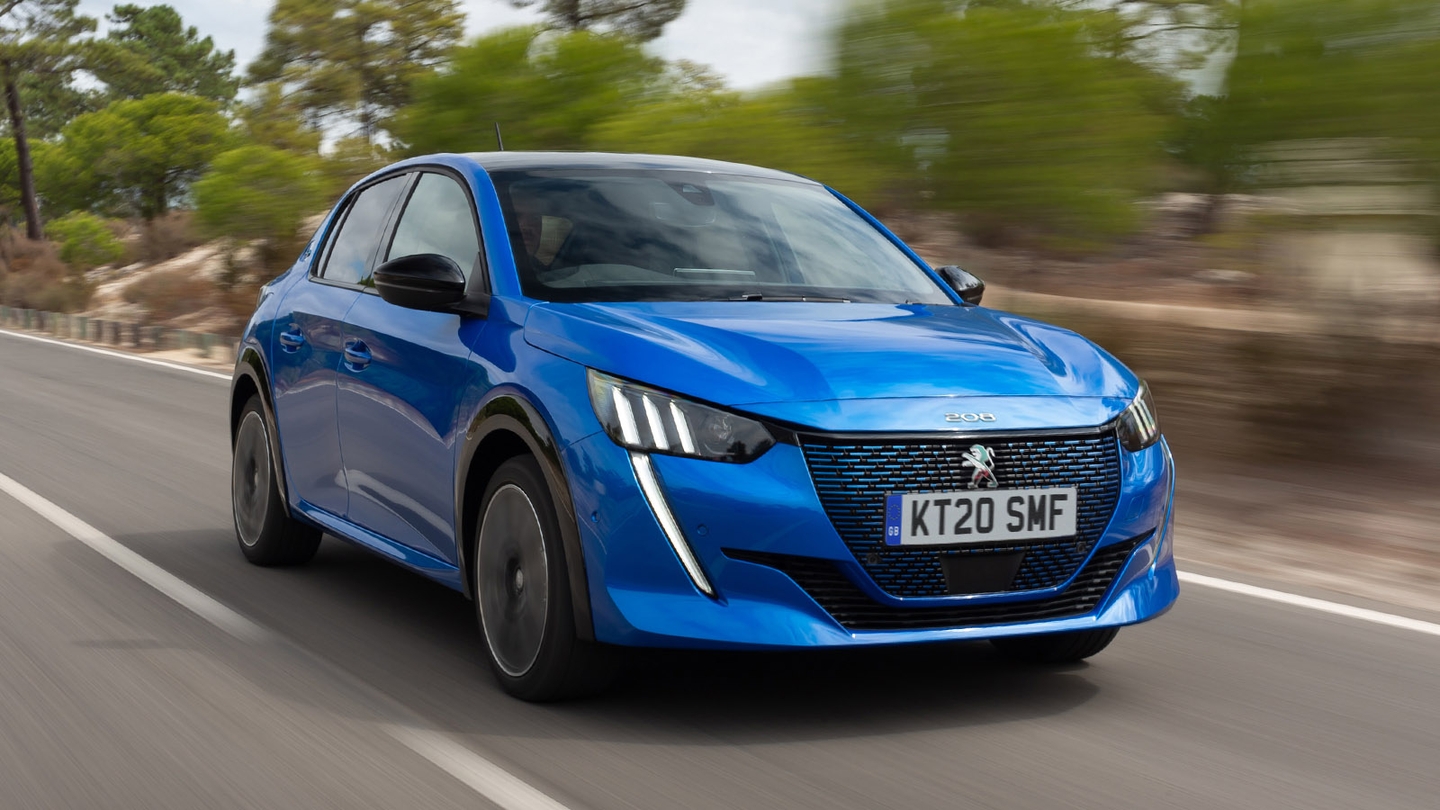
For example, a petrol Peugeot 208 in Allure trim with an automatic gearbox costs a little under £23,000. Meanwhile, an electric 208 in the same spec costs just under £28,000. But many newer EVs are starting to close the gap – the new Vauxhall Frontera, for example, costs around £24,000 whether you buy the petrol hybrid or the fully electric model.
The price gap between EVs and petrol cars usually equalises or even reverses as soon as these cars hit the used market. Like our Peugeot 3008 example above, the petrol car is actually a little more expensive than an equivalent electric model.
In July 2025, the UK government introduced an Electric Car Grant (ECG), which fills the gap left by the long-gone Plug-in Car Grant (PiCG). It covers full EVs costing up to £37,000, and knocks up to £3,750 off the cost of certain models. That will help to bring down the price difference between EVs and internal combustion cars.
Are electric cars cheaper to insure?

Sadly no, electric cars are usually more expensive to insure on a like-for-like basis than fuel-powered cars. Take the Peugeot 3008 in our example above. The petrol model sits in group 24e, while the electric model is up in 33e.
The difference is because EVs cost more to buy than equivalent fuel-powered cars, which makes it more expensive if you need to claim a replacement vehicle from your insurer. Plus, it’s generally easier and cheaper to get replacement parts for fuel-powered cars, and to find mechanics trained to work on them. EV manufacturing is still growing, which makes replacement parts more scarce and means there aren’t as many places they can be serviced.
Do you have to pay road tax on electric cars?

Yes, as of April 2025, EVs are now subject to road tax (VED).
After the first year's tax rate of £10 (rolled into the price of the car), the standard yearly tax rate is £195 for EVs registered since April 2017 – exactly the same as a petrol, diesel or hybrid car. Pre-2017 EVs cost £20 a year to tax.
From April 2026, EVs that cost up to £50,000 when new won't have to pay the luxury car tax, which adds £440 to your annual bill. This threshold is £10,000 higher than it is for petrol, diesel and hybrid cars. EVs registered from April 2025 onwards are also retroactively included in this change.
Are electric cars cheaper to maintain?

Several reports from sources including the US Department of Energy, We Predict and LeasePlan have shown that EVs generally cost less to maintain over time than fuel-powered cars. This is because EVs have far fewer moving parts and fewer fluids that need replacing.
There are two notable exceptions to this, however, with the first being tyre wear. This can happen a little faster on EVs because they usually weigh more than an equivalent fuel-powered car, so you might need to budget for a few extra trips to your local tyre fitters.
The second exception is the high-voltage battery pack. Most brands guarantee these for around seven years or 100,000 miles and, if you use them carefully, there’s a good chance that most EV battery packs will outlast the car they're fitted to. However, some EVs – especially those that cover very high annual mileages – might find their capacity eventually fades to a point that it needs to be recycled and replaced with a fresh one. This can cost anywhere from £5,000 to more than £10,000 on models with big batteries. As a warranty is in place to cover the battery, this is something you don't need to worry about at all unless you're buying an old or high-mileage EV.
You can maximise the lifespan of your battery by trying to keep the charge state between 20% and 80%, and only using the pack’s full capacity when travelling long distances. Many EV models and even some charging points let you set your max charge level so you can match your usage to your requirements. Similarly, you should try to limit your use of fast chargers only to when they’re needed, such as longer journeys, and aim to use slower charging where possible, such as a typical 7kW home EV charger.
What is electric car depreciation like? Do EVs keep their value?

Depreciation – the amount of value a car loses over time – is influenced by several factors beyond just what fuel it’s powered by. Electric cars tend to suffer faster depreciation in their first year when they're new, before levelling out to a similar level to petrol and diesel cars over the next few years. That's excellent news for used EV buyers – even on a car with less than 1,000 miles on the clock, you can save thousands of pounds versus the price that the manufacturer hopes you'll buy it new for.
Make sure you check the guaranteed future value if you want to understand how much a car you’re looking at is expected to depreciate over time.
Your electric car running costs questions answered
Fancy swapping into an electric car?
If you think the time is right to make the switch to a battery-powered car, why not check out our picks for the best cheap electric cars on sale. If you’re still on the fence, learn more with our guide to electric car maintenance.


